Predicates
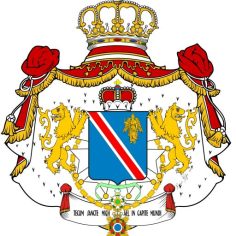
A Title of Nobility may be composed by two parts: the Title itself: Baron, Viscount, Count, Marquess, Duke or Prince, followed by its Predicate (of) which indicates a geographic or allegoric name
The Predicate indicated the jurisdiction or geographic attribution of a title. In feudal times it meant the legal possession of certain rights over a territory, as the right to administer justice and to impose taxes on that particular town or region i.e.: Graf (Count) of Leuchtenberg, Marquess of La Salle. Nowadays it must be considered of pure honorific nature, with no whatsoever claims on that territory/geographical area.
A Title of Nobility may be also given attached to the Family name: i.e: Count Bulitzoff, Baron Leonbello, Knight Kerry: is your own choice to have a predicate or to accolade the title to your Family Name
A comprehensive list of existing and granted predicates does not exist, so far, but a large number of them may be found in the Central State Archives of the current or ancient monarchies, but it is important to remark that Predicates referring to most French, Spanish, Italian and of course English towns, have been largely granted during the centuries.
There are also predicates linked to Saints (a use derived from Catholic Popes since 1600) i,e: Count of St. Martin or Baron of St. Andrew
A composite predicate is normally by two or more parts, instead of one, i.e: a name and an adjective or the name of a Saint Patron, i.e: Mount Saint Lazarus, or Baron of High Castle
Please note that Mount Saint Lazarus may exist in real geography (territorial predicate) or be of an allegoric predicate but shall have the same legal validity
Our Institute is specialized in solid and unquestionable predicates coming from its meticoluos historical research, so that you are assured of the uniqueness of your Predicate

 Institut Héraldique International - International Heraldry Institute - Institut Héraldique International